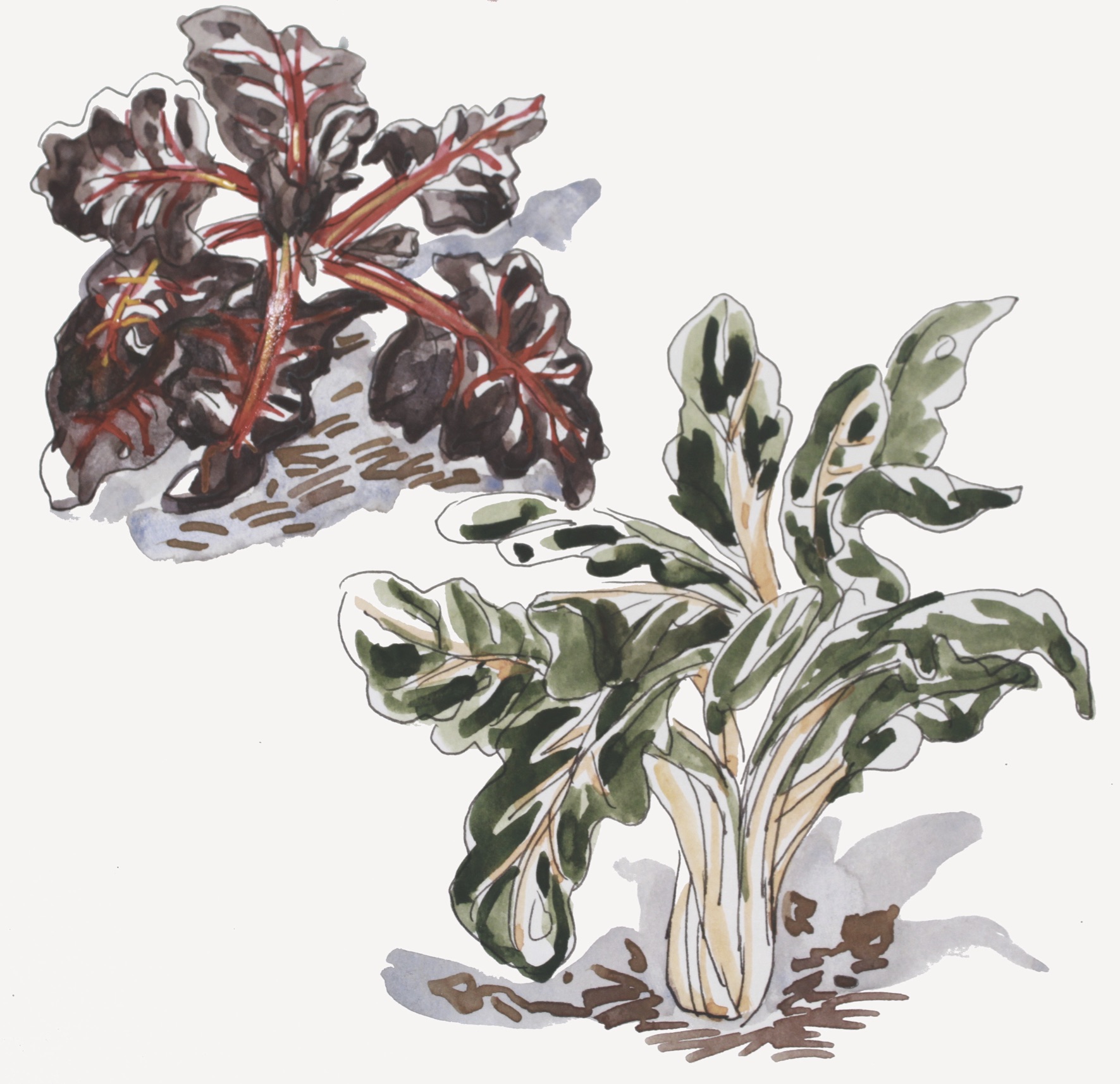
If there is a leafy vegetable that does not go unnoticed in the vegetable garden, it is the chard or Swiss chard, also known as Perry! Continue reading “Beautiful chards”
Artist painter of plants
If there is a leafy vegetable that does not go unnoticed in the vegetable garden, it is the chard or Swiss chard, also known as Perry! Continue reading “Beautiful chards”
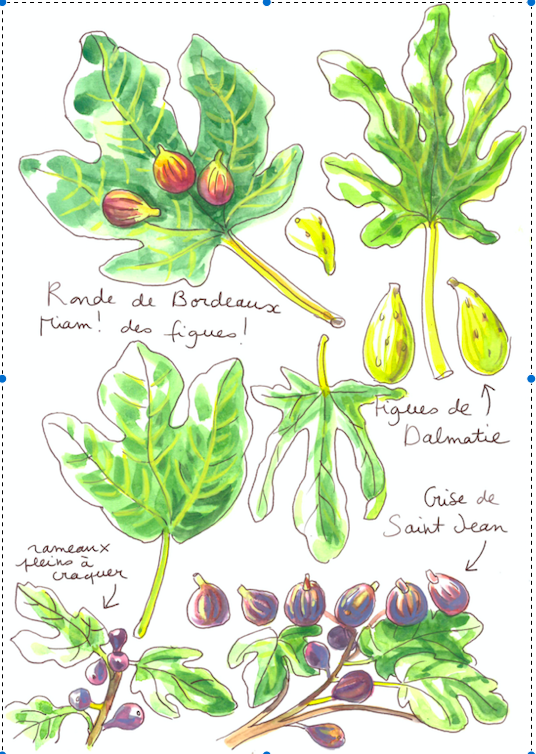
Was it because the fig tree was considered a divine tree in the Mediterranean basin that Louis XIV was crazy about it? He had 700 fig trees planted in crates that were brought in during the winter, like his famous orange trees. It was for those trees that Mansart designed the Fig Garden in the King’s Kitchen Garden. The pavilion still called by that name now houses the large exhibition rooms of the Ecole Nationale Superieure du Paysage (ENSP). Continue reading “The Fig, False Fruit, Real Flower”
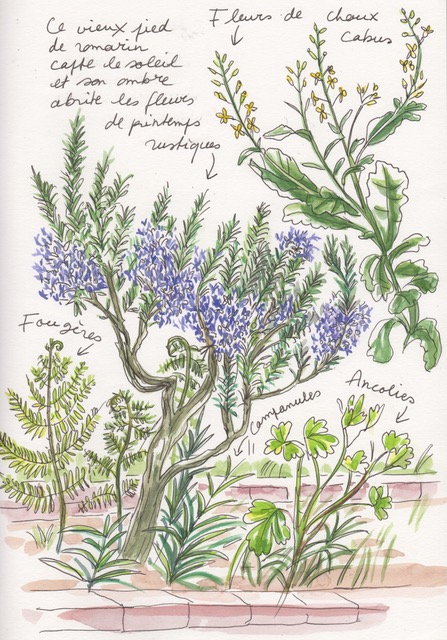
Who hasn’t heard of the famous Hungarian water, perfume, made with rosemary, rose water and orange blossom? This recipe for beauty and health would have enabled Queen Isabella of Hungary to regain at the age of 72, strength and beauty. So much so that the King of Poland would have asked her to marry him. Even if it is a legend created by perfumers from Montpellier, the revitalizing virtues of rosemary have indeed been confirmed. Continue reading “Rosemary, the elixir of youth”
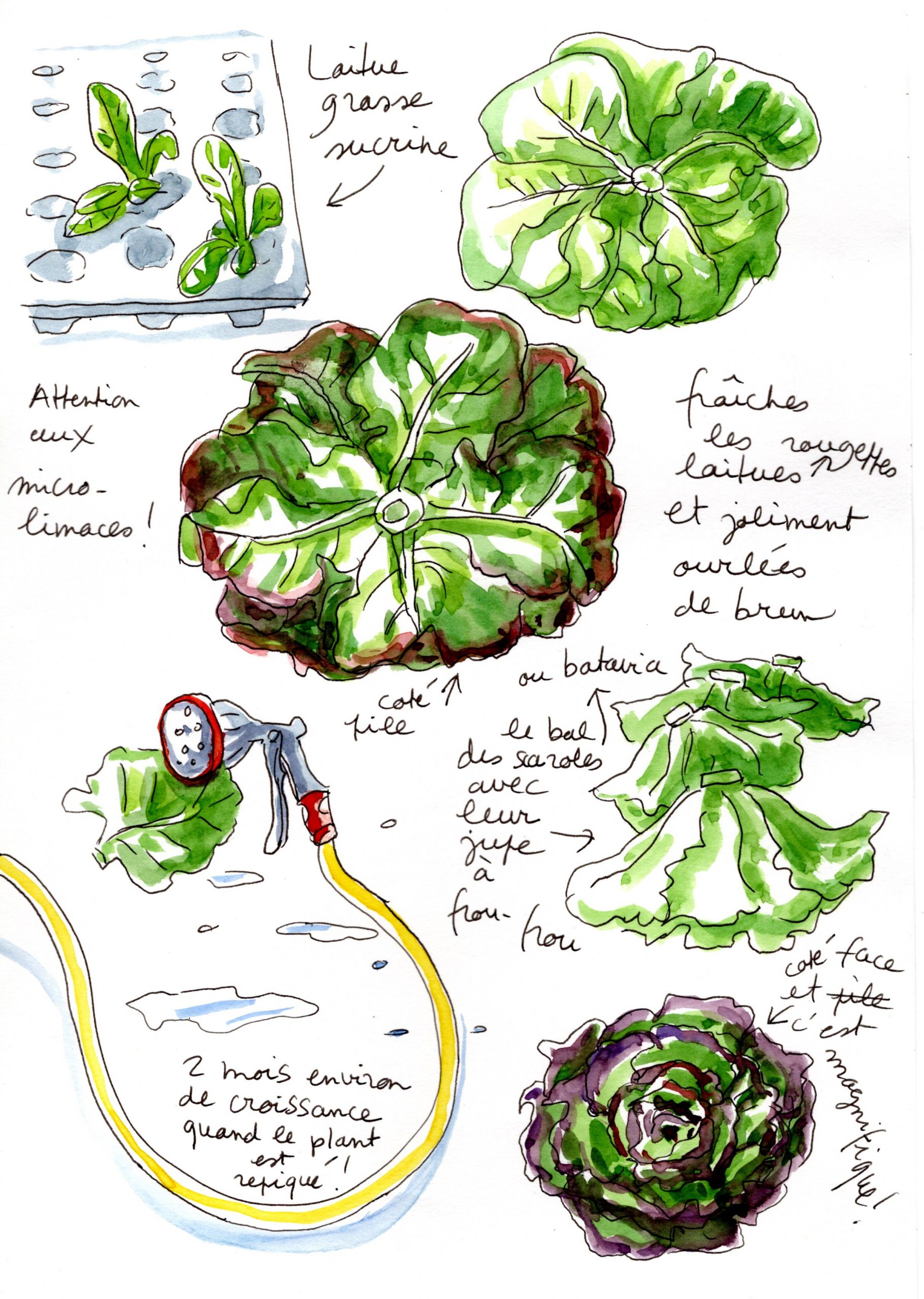
Let’s go for a new season of gardening !
Among the first seeds of the season, it always begins with the lettuce in order to get them green and crisp in the springtime. There are more than four hundred varieties in the official catalogue. What a performance vegetable creators ! Continue reading “Lettuce delicious, who are you ?”

Who remembers the date on which ingenious gardeners from Saint Gilles, near Brussels, obtained this new cabbage hybrid ? Small, of course, but very tough. They offer the advantage of not fearing frost and can withstand minus fifteen degrees Celsius. They even gain in flavor in the heart of winter, because their taste is all the sweeter. Continue reading “The sturdy little ones of Brussels”
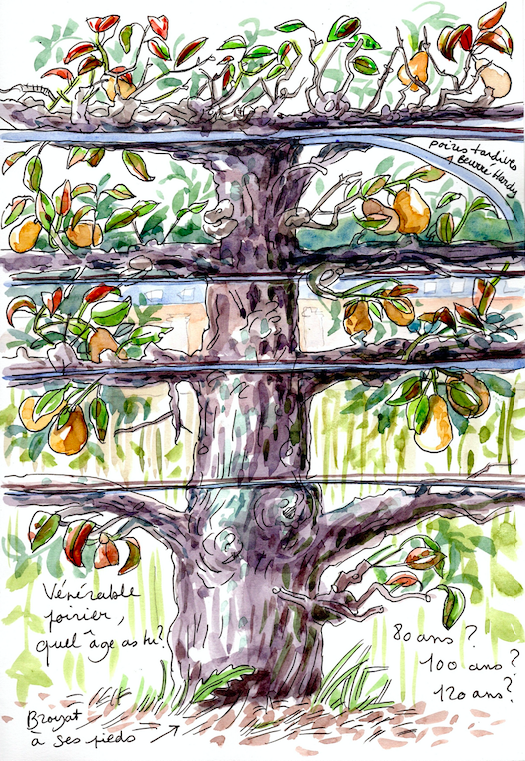
How could the Romans have imagined how centuries of horticulture transformed ugly little pears, hard and dry as pebbles, into fragrant sweet fruits? They wouldn’t have believed their taste buds! And yet, it is thanks to their work of selection and grafting, that the pear, as we know it, appeared in Europe. Continue reading “The royal fruit”
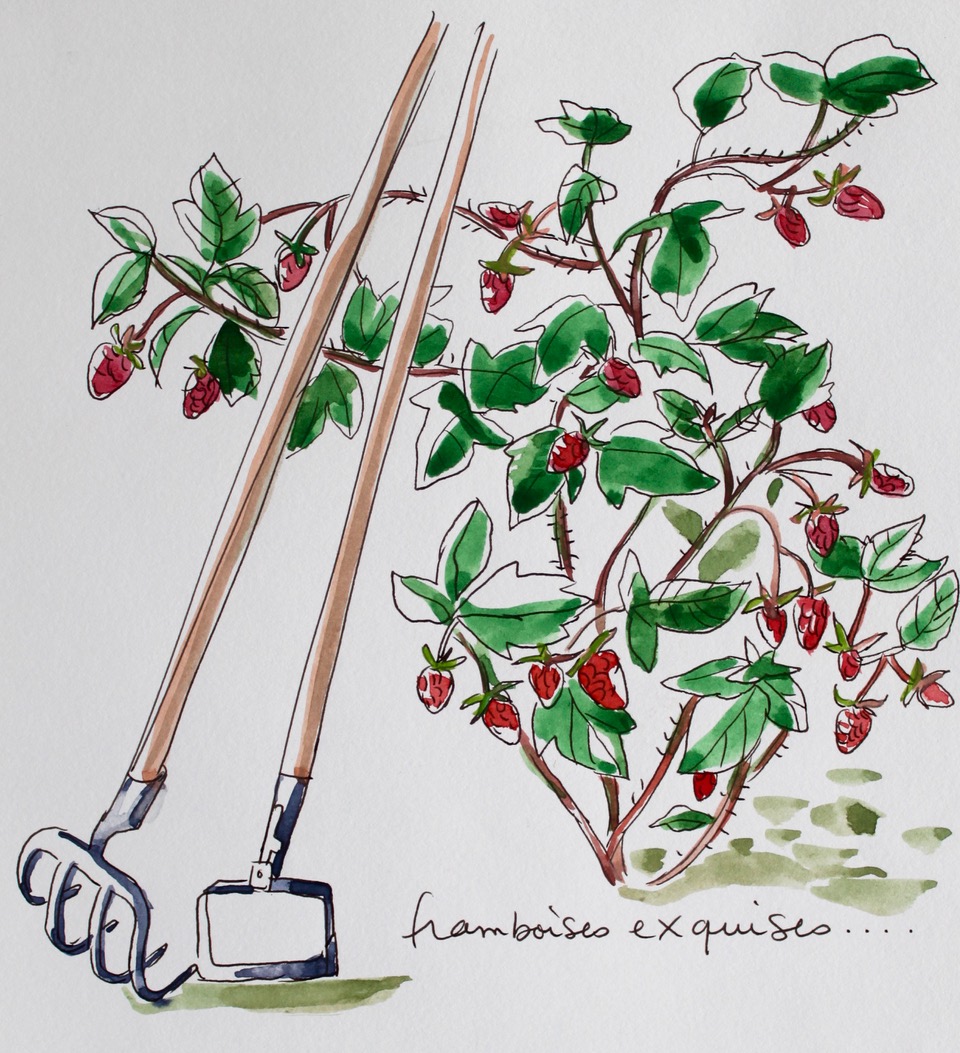
What an unforgettable pleasure to discover their red fruit under the green of their generous foliage! Rather expensive on the market, raspberries are quite easy to grow, so why not grow them yourself ? Not really predestined for our vegetable gardens in cities, they grow spontaneously in all mountainous regions of Europe, such as in the Alpine or Vosges mountains in France.
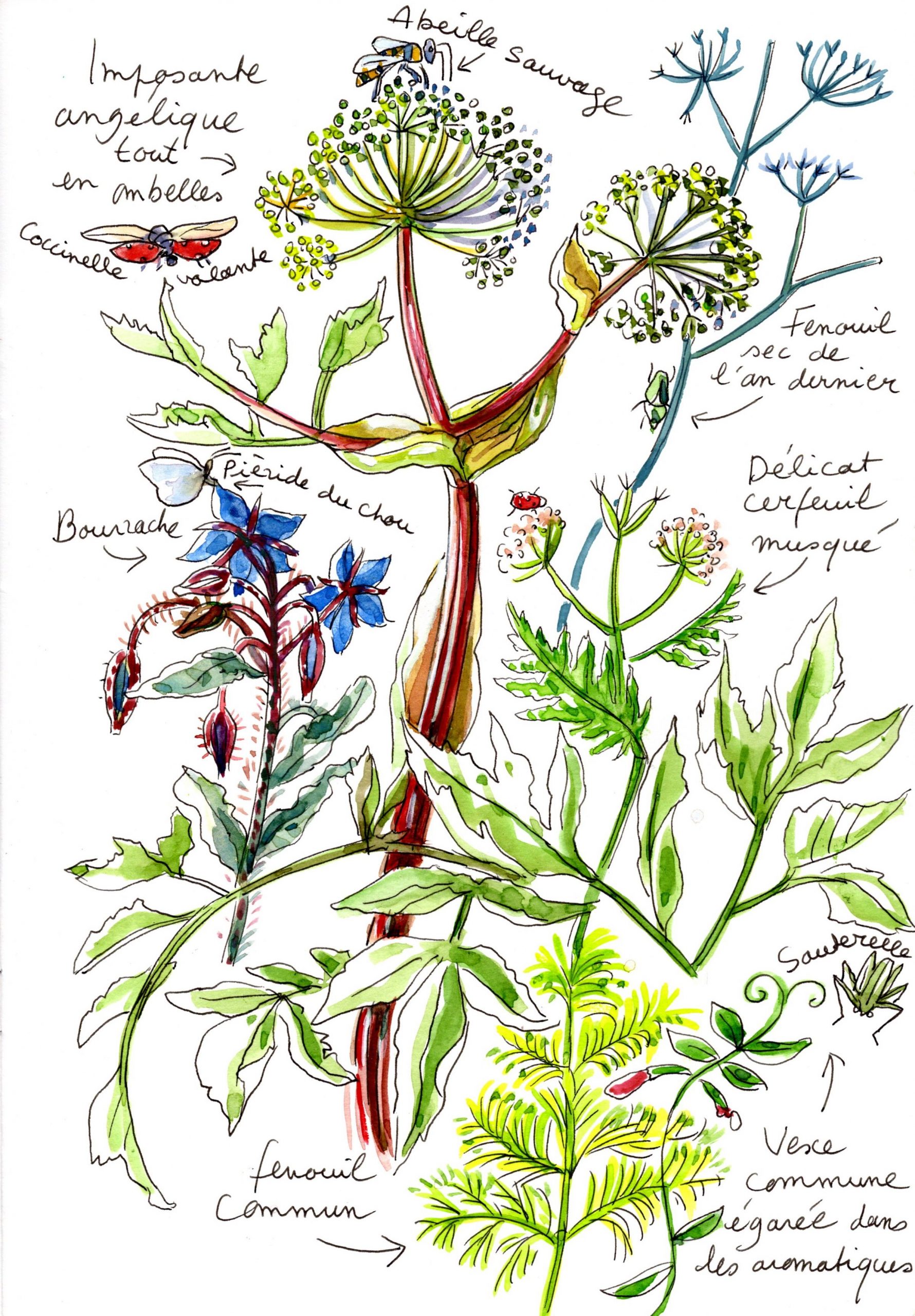
Aromatic plants? We could not do without them in our gardens, as they help the gardener, not only by attracting pollinating bees, but also by confusing the pests of his crops. This is called scent scrambling. Among these beautiful scents, reign the superb angelica that dominates, by its tall stature, all the others.

Everybody knows the typical form of leeks but who knows them in full bloom? If you would like to transform your vegetable patch into a remarkable garden, why not plant them among tulips and daffodils? With their splendid globe-shaped umbels, they would very well liven up spring flowerbeds. On the top of that, the leeks’ blossoms, which appear in the second year of cultivation, as they are biennnials, will produce seeds for the next vegetable generation. Continue reading “The beauty of leeks in fool bloom”

While waiting for spring, what a pleasure for a gardener to dream by flicking through a seed catalog, promises of beautiful vegetable! but where to begin with? Do we have to search forgotten vegetable seeds in seed producer’s conservatory, or even in those listed at INRAE*? Continue reading “The seeds of discord”